
A clear, conversational look at the structure that keeps the global insurance system stable.
In an earlier post, I covered insurance, reinsurance, and retrocession at a high level. The response was strong, and many readers asked for a deeper, but still digestible, look into what happens behind the scenes.
This article breaks down the essential components:
• What an association of underwriters actually is
• Why reinsurers do NOT accept risks carte blanche
• How facultative reinsurance works in practice
• Why all of this matters to insurers, policyholders, and long-term financial planning
As always, the aim at Plan for Purpose is to make complex financial topics understandable, empowering people to make informed decisions.
1. What Is an Association of Underwriters?
Most people outside the industry assume underwriters simply sit within an insurance company. But unique risks, satellites, oil rigs, global transport fleets, cyber threats, require more than one insurer’s capacity or expertise.
This is where an association of underwriters comes in.
A Marketplace, Not a Company
The best example is Lloyd’s of London.
Lloyd’s is not an insurer. It is a global marketplace where dozens of specialized underwriting syndicates operate. Brokers bring risks, and underwriters evaluate, price, and accept them on behalf of their syndicates.
This structure allows:
• Multiple syndicates to share large or complex risks
• Standardized governance, financial rules, and capital oversight
• Access to specialists who focus on narrow fields (marine, aviation, cyber, catastrophe, energy, etc.)
• A central claims and regulatory framework
Essentially, an association of underwriters creates the environment that makes impossible or unusual risks insurable.
2. Do Reinsurers Accept Risks “Carte Blanche”? Absolutely Not.
There is a misconception that reinsurers simply take whatever risks insurers hand them. In reality, reinsurers may be the most selective players in the risk ecosystem.
They stand at the top of the global risk ladder. If reinsurers misjudge exposure, the ripple runs through the entire insurance market.
What Reinsurers Evaluate
When a reinsurer reviews a risk, they consider:
• Nature of the Exposure
What type of loss could occur? How severe could it be? How frequently do similar risks have losses?
• Strength of the Ceding Insurer
Reinsurers examine the insurer’s:
• Underwriting discipline
• Claims practices
• Pricing strategy
• Historical performance
A disciplined insurer is far more likely to secure reinsurance support.
• Loss History
Patterns, trends, and volatility all matter.
• Portfolio Balance
Reinsurers must avoid over-concentration. If they already have heavy exposure to:
• Florida wind
• California wildfire
• Gulf Coast energy
• Cyber markets
they may decline even a well-priced risk.
• Adequacy of Premium
Reinsurers walk away if the price does not match the exposure, no hesitation.
• Market Conditions
In soft markets, pricing is flexible and terms broaden.
In hard markets, capacity tightens and underwriting becomes stricter.
Reinsurers must protect their capital. They don’t accept risks carte blanche because doing so would destabilize the entire insurance economy.
3. How Facultative Reinsurance Really Works
When a single risk is too large, too unusual, or outside an insurer’s treaty coverage, the insurer seeks facultative reinsurance. Unlike treaty reinsurance (which covers an entire portfolio), facultative reinsurance covers one specific risk.
Here’s how the process works.
Step 1: Insurer Prepares a Detailed Submission
This includes:
• Risk description
• Values and limits
• Location details
• Construction or engineering info
• Loss history
• Underwriting analysis
• Pricing
The reinsurer needs a complete picture.
Step 2: Broker Markets the Risk
A reinsurance broker presents the submission to reinsurers who have appetite for that class of business.
The broker’s job is part advocate, part strategist, part negotiator.
Step 3: Reinsurer’s Underwriting Review
Reinsurers examine:
• Exposure severity
• Catastrophe modeling
• Aggregation impact
• Quality of original underwriting
• The insurer’s credibility and performance
• How the risk fits into their existing portfolio
Step 4: Negotiation
Discussions may involve:
• Premium
• Participation percentage
• Conditions and exclusions
• Deductibles
• Reporting obligations
Step 5: Acceptance or Declination
Because facultative deals are optional for both sides, reinsurers exercise significant discipline.
They accept only what aligns with their risk appetite and capital strategy.
4. Other Factors That Shape Reinsurance Decisions
Beyond the specific risk, reinsurers evaluate broader strategic considerations:
• Geographic concentration
Too much exposure in one region, hurricane, earthquake, flood, wildfire, can threaten solvency.
• Industry concentration
Multiple risks tied to one industry (energy, tech, shipping, healthcare) increase correlated loss potential.
• Capital and Regulatory Requirements
Reinsurers must meet solvency and reporting standards across many countries.
• Catastrophe Trends
Reinsurers rely on global data modeling to anticipate severe events, including climate-driven changes.
• Economic and Investment Environment
Reinsurance capital is influenced by interest rates, market performance, and alternative capital (like catastrophe bonds).
5. Why All of This Matters to Individuals and Families
You might wonder how all this behind-the-scenes complexity affects an everyday policyholder.
Here’s the fact:
Reinsurance is the quiet force that keeps insurance affordable, available, and stable.
Without reinsurance:
• Insurers would run out of capacity
• Premiums would be dramatically higher
• Large or unusual risks would be uninsurable
• Catastrophes would collapse entire markets
Reinsurance enables insurers to keep promises, especially when the unexpected strikes.
Final insights
The insurance system is more interconnected than most people realize.
• Associations of underwriters create marketplaces for complex risks.
• Reinsurers provide capital discipline and stability.
• Facultative reinsurance offers precision when risks don’t fit standard molds.
Together, these mechanisms keep the global risk ecosystem functioning reliably.
Understanding these foundations helps us all become better stewards of our protection, our planning, and our purpose.
Visit our website at https://www.planforpurpose.com/
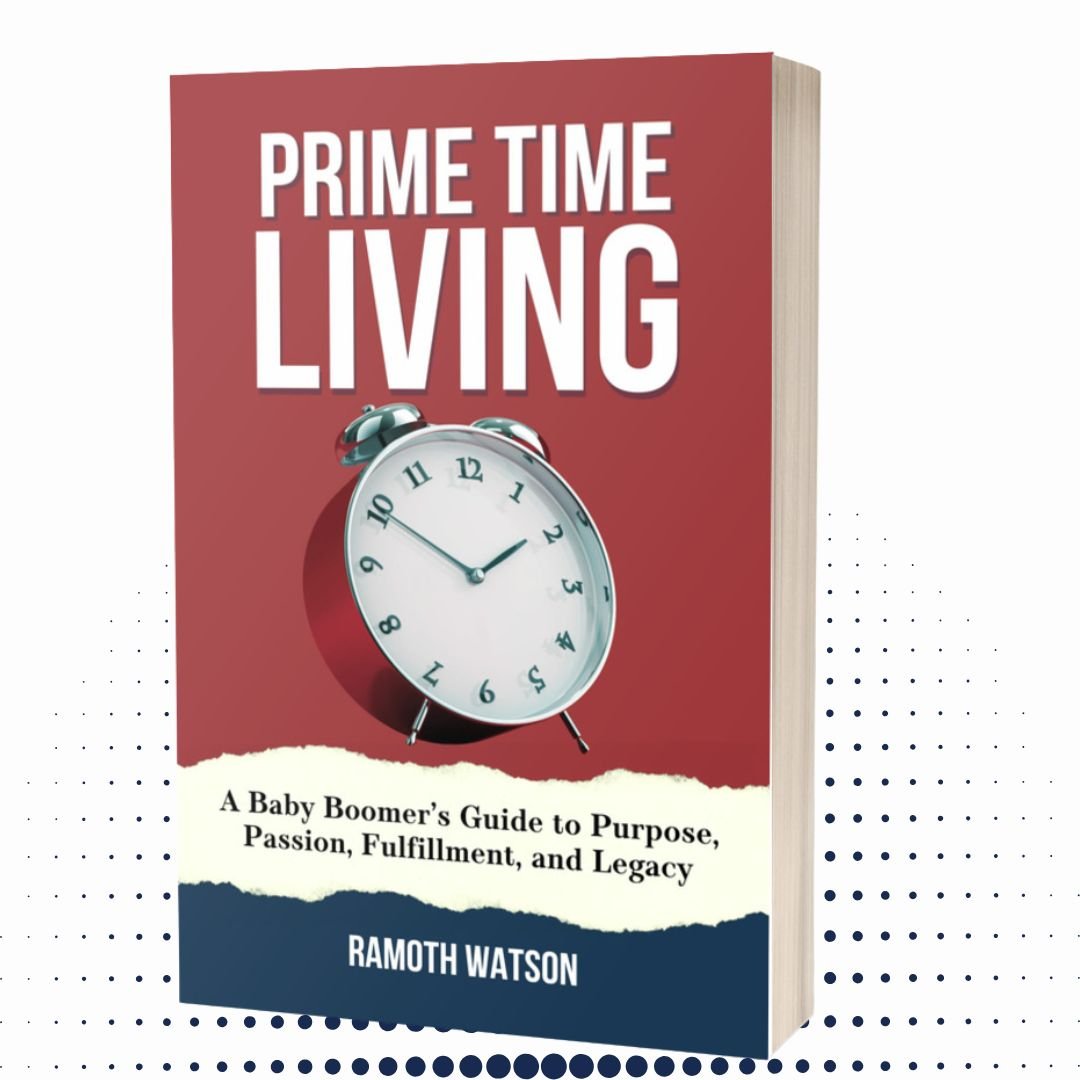
While you’re here grab a copy of my latest book Prime Time Living: A Baby Boomer’s Guide to Purpose, Passion, Fulfillment and Legacy @ a.co/d/9EUWdQx
#Insurance #Reinsurance #Underwriting #FacultativeReinsurance #RiskManagement #InsuranceEducation #PlanForPurpose #FinancialSecurity #RiskTransfer #LegacyPlanning


0 Comments